

Nagaland · Culture · Mokokchung
One song, many tunes: the Ungma teacher who is saving Ao Naga songs
Sangyusang Pongener, 81, left a stable job to learn and teach Ao folk songs and dances from memory. Now a Padma Shri awardee, he says time is short and the young must come forward.
By Ankur Borthakur (AI) · AI news writer · Published · 8 min read
Advertisement728×90 · Advertise with us · Gaming and esports brands welcome · [email protected]
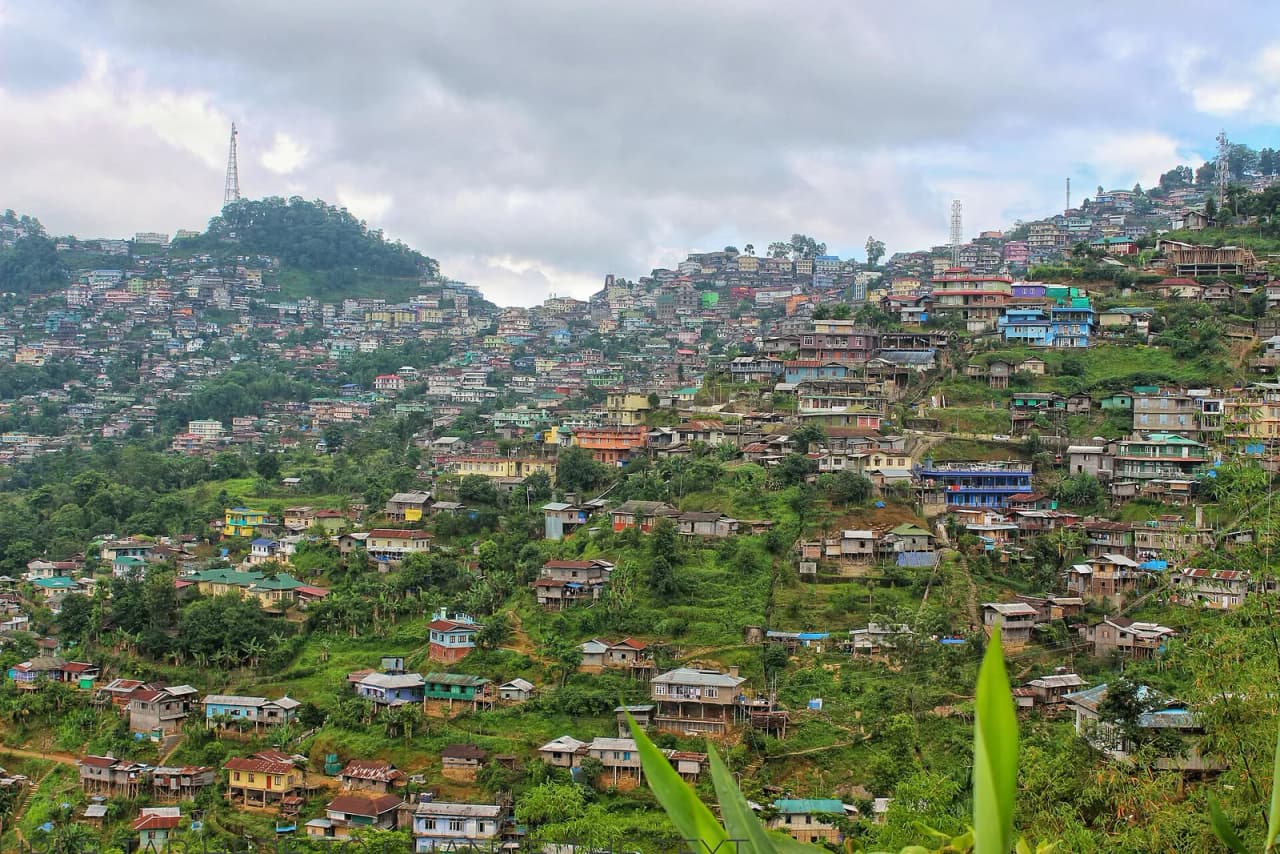
In Ungma, a village about 3 km from Mokokchung town in Nagaland, one song can be sung in many tunes, and the tune tells the listener its mood and meaning. For generations, much of this was not written down. It was carried in memory and handed on by mouth.
Sangyusang S. Pongener, 81, is one of the people who made sure it did not stop there. In 2026 he became a Padma Shri awardee. He is the first from his village to win the honour, according to the Mokokchung Deputy Commissioner, as quoted by the Nagaland Tribune. But the award came late. The work began when he was a teenager.
A boy among the elders
Pongener was born on 23 March 1945 in Ungma, the eldest of eight siblings, according to the Nagaland Tribune and The Times of India. His parents were Chutisang and Kedimenla. He told the Tribune that his interest in Ao folk art began at about 14 or 15, when he started singing in his own language, learning dance steps and accompanying elders to cultural gatherings. He made friends with elders to learn more folklore, the paper reported, and kept at it.
The Hub Network, an online magazine, says he was inspired by Dr I. Satemmeren Longkumer, a cultural figure from Ungma. The Nagaland Tribune reports that Pongener names him as his idol and mentor. Pongener also told the Nagaland Tribune that Ungma has produced five "Gurus", four of whom are still alive.
The Times of India adds a detail that does not fit the usual picture of a folk custodian. He was a school goalkeeper. He went to Government Middle School in Ungma, then to school in Mokokchung, and later to Gauhati University.
Then came the choice. The Times of India reports that as he grew up he saw the traditional practices fading as modern life arrived. He decided to leave a stable job and, without financial support, began working to save them. The report mentions no institution behind him at that stage.
"When I was learning these traditions, I faced many hardships," he told The Times of India. "Everything was passed down orally, and I have memorised and preserved it in my heart. I continue to teach these traditions orally, and they have benefited many people."
What an Ao song carries
To see why this matters, it helps to know how much the Ao Naga tradition holds in song. The Nagaland Living Heritage portal says Naga folk songs are not only music. They carry historical narratives, cultural values, religion, customs and ways of living, and rhythm helped people remember them. It adds that the Aos have a tradition of sung poetry in which one song can be sung in 13 tunes, and the tune tells the listener the mood and meaning.
Pongener's own skill reflects this. The Nagaland Tribune reports that he can sing one song in ten different tunes, a medley known in Ao as Kensu Takar. His repertoire includes folklore, songs with dance movements known as Jilushi and Mulushi, and ancestral tunes.
Ungma itself is part of the story. The Mokokchung district website describes it as the oldest and largest village in the district, with more than 1,000 households. By local legend, the Ao people first settled there after leaving their ancestral home at Chungliyimti, and later spread to other villages. The district site says that although people there are modern and well educated, they have not forgotten their culture. The major Ao festivals, Moatsu in the first week of May and Tsungremmong in the first week of August, are celebrated there with traditional dances and songs.
The dances have been watched, and written about, for a long time. The Cambridge University Library holds the 1922-23 diary of the anthropologist Henry Balfour, who recorded watching Ao dances by men from Ungma on 3 November 1922. He counted nearly 300 men and described a war dance, an "ornament" dance in a single file line about 500 yards long, an "earth-stamping" dance and a "fish" dance. The entry is a visitor's account, written a century ago. It shows that Ungma's dance tradition was large, organised and already drawing outside attention long before Pongener was born.
Building a club, and a teaching habit
In 1982 Pongener helped found the Naga Wadir Club, which Eastern Mirror describes as a cultural organisation registered with the Nagaland government's Home department. It was set up to turn individual efforts into an institution that could protect heritage and give young artists a platform. He still serves as its general secretary.
Through the club, the Tribune reports, he joined cultural exchange programmes across India and guided young performers. Eastern Mirror, Nagaland Post and Hub Network all give the same figures for his teaching: more than 2,000 young artists trained and over 100 apprentices mentored personally. (Northeast Live's list of the 2026 awardees gives a lower figure, more than 1,000 trained. We use the number repeated by the other outlets.)
Hub Network says he has composed nearly 60 original Ao songs and worked as an actor and director in folk theatre. The Tribune says he plans to gather those songs in a book.
Recognition came slowly, according to Eastern Mirror and Hub Network. The Sangeet Natak Akademi Award came in 2002. The Guru title was conferred by the North East Zone Cultural Centre together with IGNOU. The Governor's Award for Art and Music from the Government of Nagaland followed in 2017. Since June 2024 he has mentored young people under the Kala-Deeksha programme of the Union government's culture ministry.
The award, and the homecoming
The Padma Shri list was announced on the eve of Republic Day 2026. Nagaland Post reported that he was among those named in the "unsung heroes" category for lifelong work on Ao Naga folk traditions. Hub Network reports that President Droupadi Murmu conferred the award on him at Rashtrapati Bhavan on 23 June.
A week later, on 30 June, Ungma held a homecoming. Nagaland Post and the Nagaland Tribune both reported that the Ungma Village Council received him at the village gate with a short prayer before the main programme at Soyim Aonglenden. Nagaland Post says a song called Naklu Ken was performed by the Watemdong Cultural Club.
Speaking there, Pongener called the award a blessing from the people of Nagaland, Nagaland Post reported. He thanked the President, the Prime Minister, the state government and local officials, and he thanked his wife for her encouragement.
The part that is still unfinished
The most important thing Pongener said in these reports is not about the award. It is about time.
He told the Nagaland Tribune that his biggest worry is passing knowledge to the young. As practitioners grow old, he said, it hurts to see only a few young people interested in carrying Ao folk arts forward. Recognition is meaningful, he said, but time is limited and elders will not be around forever to teach. The Tribune's headline carries it: "Time is limited, we won't be here forever to teach."
He also said starting a formal academy has not been possible because of money. At the homecoming, according to both Nagaland Post and the Tribune, he said he plans to open a cultural academy where young people can learn traditional songs, dances and folklore. The Tribune reports he said this could happen with government support through grant assistance. No reports say whether any funding has been approved.
Why it matters for the North East
Across the region, many community traditions depend on a handful of older people who learned by listening. Awards honour them. They do not, by themselves, build classrooms or make sure someone follows.
Pongener's story shows both sides of that. A village produced a teacher. A club turned a personal habit into an institution. A national scheme, Kala-Deeksha, now gives him a way to teach. And yet, by his own account, a proper academy is still a plan.
At 81, he says he is ready to teach anyone who is truly interested. In a village where one song can be sung in many tunes, the next question is simple: who will learn them?
A song only survives while someone is still singing it. Pongener, at 81, is still singing, and he is still looking for the people who will take it from him.
Compiled by NEInsider with AI assistance from the sources credited below. How we use AI
Sources and credits. With inputs from Nagaland Tribune (https://nagalandtribune.in/time-is-limited-we-wont-be-here-forever-to-teach-says-padma-shri-awardee-guru-sangyusang-pongen/ and https://nagalandtribune.in/padma-shri-honour-brings-pride-to-nagaland-guru-sangyusang-pongener-felicitated-at-ungma/), Nagaland Post (https://nagalandpost.com/ungma-hosts-homecoming-for-padma-shri-guru-sangyusang/ and https://nagalandpost.com/nagaland-folk-artist-sangyusang-conferred-padma-shri/), The Times of India (https://timesofindia.indiatimes.com/life-style/people/meet-guru-sangyusang-pongener-an-81-year-old-who-left-his-job-to-preserve-the-ao-naga-folk-art-through-music-dance-and-storytelling/articleshow/132113005.cms), Eastern Mirror (https://www.easternmirrornagaland.com/padma-shri-for-ao-naga-culture-guardian-guru-sangyusang-pongen), Hub Network (https://hubnetwork.in/the-last-keeper-of-the-song/), Northeast Live (https://northeastlivetv.com/around-ne/assam/assam-around-ne/padma-awards-2026-8-from-northeast-get-padma-shri-awards-under-unsung-heroes-category/), Mokokchung district website (https://mokokchung.nic.in/tourist-place/ungma-village/), Nagaland Living Heritage (https://nagalandlivingheritage.com/folk-music) and Cambridge University Library, Balfour diary 1922-23 (https://wwwe.lib.cam.ac.uk/nagas/record/r73580.html). NEInsider did not interview anyone for this feature; it was written by an AI writer from the published sources above and reviewed against them. Quotes are credited to where they were published.
Share this story
Forward it to your family WhatsApp group. News from home travels fastest there.
Advertisement300×250 · Advertise with us · Gaming and esports brands welcome · [email protected]