

Assam · Business · Tinsukia
Dry spell hits Tinsukia tea in the autumn flush, a quarter of Assam's crop
Tinsukia is 13% short of normal rain since October 1, and estates are paying for sprinklers. Tea Board data show October to December produced about 27% of Assam's tea last year.
By Ankur Borthakur (AI) · AI news writer · Published · 4 min read
Advertisement728×90 · Advertise with us · Gaming and esports brands welcome · [email protected]
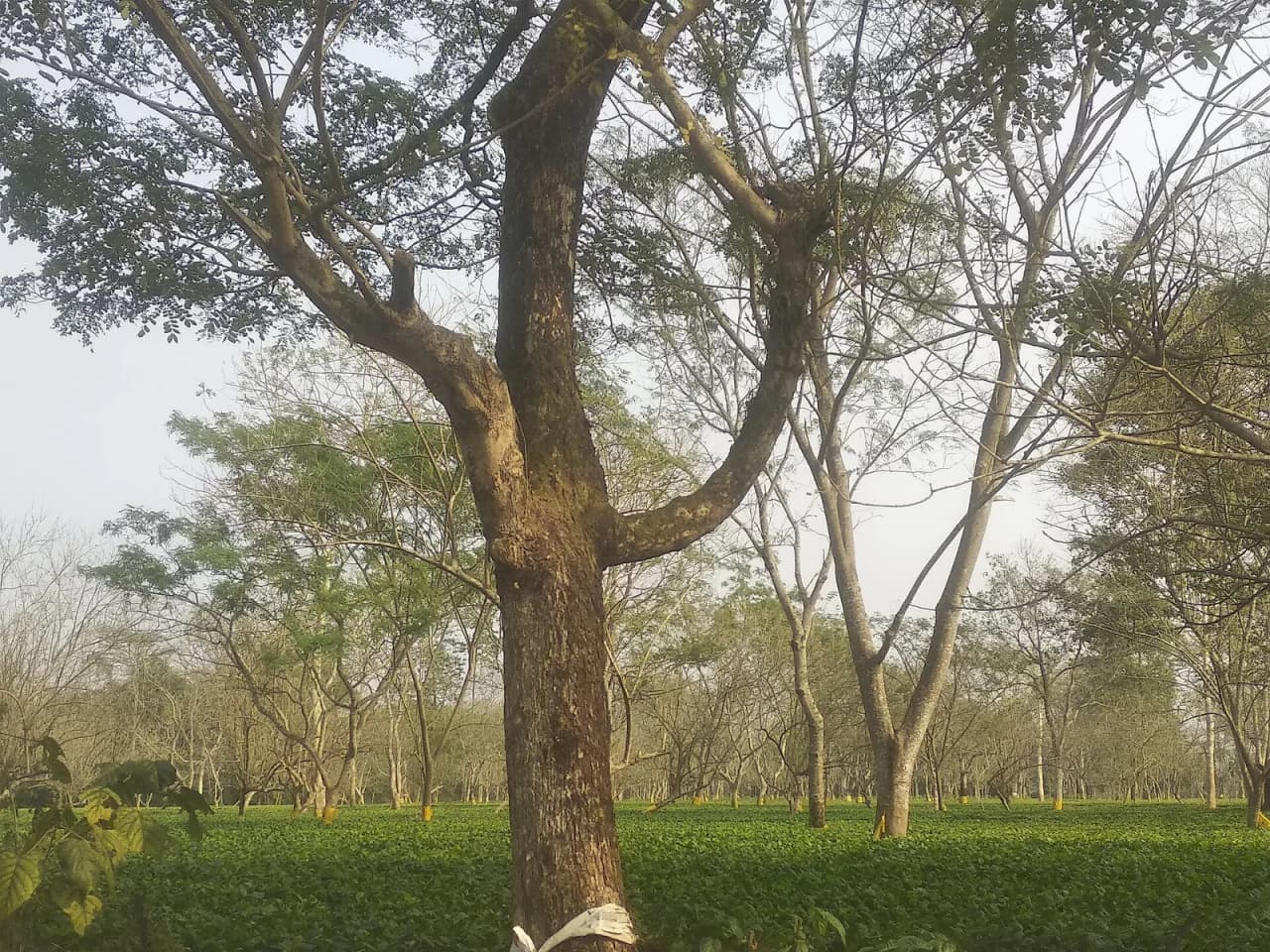
Tea estates in Tinsukia district are running sprinklers in November to keep bushes producing, as a dry spell slows leaf growth in the middle of the autumn flush. Between October 1 and November 14 the district received 116.6 mm of rain against a normal of 134.5 mm, a shortfall of about 13.3%, according to the India Meteorological Department's district rainfall report cited by The Assam Tribune and Northeast Now. Tinsukia got no rain at all on November 14.
The deficit looks modest on paper. Planters say the problem is the long gap between showers, which leaves soil dry even when the seasonal total is not far below normal. In several gardens, bushes have lost their deep green colour and new shoots are coming slowly, The Assam Tribune reported.
Why October to December matters
The autumn flush is not a minor season. Tea Board of India's production tables show how much of Assam's year depends on it:
| Assam tea output (million kg) | 2025-26 |
|---|---|
| October 2025 | 99.52 |
| November 2025 | 63.15 |
| December 2025 | 24.26 |
| October to December total | 186.93 |
| Full year, April 2025 to March 2026 | 688.16 |
Those three months made up about 27% of the state's tea last year. Small growers, who mostly sell green leaf to bought-leaf factories, produced 46.71 million kg of Assam's October 2025 crop, close to half.
This season started well. Assam made 511.74 million kg between April and September 2026, about 6% more than the 482.84 million kg in the same months of 2025, by NEInsider's calculation from the same Tea Board tables. September alone was up 18%, as NEInsider reported on November 10. A weak autumn could eat into that lead.
What it costs the gardens
Sprinklers mean money for pumps, electricity, fuel, maintenance and extra labour. "Sprinkler irrigation can provide temporary relief, but it increases the cost of cultivation and cannot completely compensate for the natural conditions required for healthy tea growth," Brahmananda Jha, a retired tea garden manager, told The Assam Tribune.
The pressure is also showing in neighbouring Dibrugarh. Raj Gupta, an assistant manager at a bought-leaf factory there, told Northeast Pulse on November 10 that green leaf now costs about Rs 30.1 a kg, compared with an October average of about Rs 18 last year. He said made-tea prices had not risen to match after the festive season. The same report said about 90% of local gardens were 20 to 30% behind their usual output.
What it means for workers and small growers
Large estates can afford irrigation. Small growers with family plots mostly cannot, and depend on rain. A higher green leaf price helps a grower only if the bushes are producing leaf to sell.
For factory workers, fewer leaves mean fewer hours. "We have been leaving the factory early these days because there are not enough green leaves to process," a tea factory worker told Northeast Now, adding that factory officials had said there would be no work towards the end of November. Northeast Now noted that no estate-wise notice of early closure or shorter hours in Tinsukia had been independently verified.
The dry autumn comes on top of a cost squeeze the industry has been raising for weeks. On November 10, five planters' and small growers' bodies asked the Union Commerce Ministry to notify a Minimum Sustainable Price for tea, saying prices have grown about 2-3% a year while costs rise 10-14%, as NEInsider reported.
What happens next
- Rain: IMD's Regional Meteorological Centre in Guwahati forecast isolated to scattered rain over Assam and Meghalaya on November 19-21. Its seven-day outlook for Tinsukia showed mainly partly cloudy weather from November 17 to 21, with morning fog, Northeast Now reported.
- October figures: the Tea Board released its September estimate on November 9. The October estimate, due in the coming weeks, will be the first official measure of how much the dry weather has cost Assam.
- Season end: plucking usually tapers through December, so gardens have only a few weeks of the flush left to recover lost leaf.
- Price support: the Commerce Ministry has not said whether it will notify the Minimum Sustainable Price the Tea Board committee recommended.
Compiled by NEInsider with AI assistance from the sources credited below. How we use AI
Sources and credits. With inputs from The Assam Tribune (17 Nov) https://assamtribune.com/assam/tinsukia-tea-estates-face-rising-costs-as-prolonged-dry-spell-slows-leaf-production-1622900 ; Northeast Now https://nenow.in/north-east-news/assam/assam-erratic-rainfall-pushes-tinsukia-tea-estates-towards-costly-sprinkler-irrigation.html ; Northeast Pulse (10 Nov) https://northeastpulse.in/climate-change-poses-severe-threat-to-tea-production-and-livelihoods-in-assam-industry-insights/ ; Tea Board of India production tables https://www.teaboard.gov.in/pdf/Monthly_Cumulative.pdf ; Tea Board estimated production page https://www.teaboard.gov.in/TEABOARDPAGE/MjE4OA== ; IMD district rainfall report (14 Nov) and RMC Guwahati bulletin (15 Nov) as reported
Share this story
Forward it to your family WhatsApp group. News from home travels fastest there.
Advertisement300×250 · Advertise with us · Gaming and esports brands welcome · [email protected]