

Assam · Business · Kamrup
IIT Guwahati builds a four-in-one yarn winding machine for handloom weavers
The machine from the institute's Rural Technology Action Group combines four winding jobs that weavers usually do by hand on a charkha. It has been tested in Assam and Meghalaya and is being commercialised.
By Ankur Borthakur (AI) · AI news writer · Published · 2 min read
Advertisement728×90 · Advertise with us · Gaming and esports brands welcome · [email protected]
The Rural Technology Action Group (RuTAG) at IIT Guwahati has developed a single machine that handles four separate yarn winding jobs, aiming to cut the time and physical strain weavers spend preparing yarn before it reaches the loom.
A slow, tiring first step
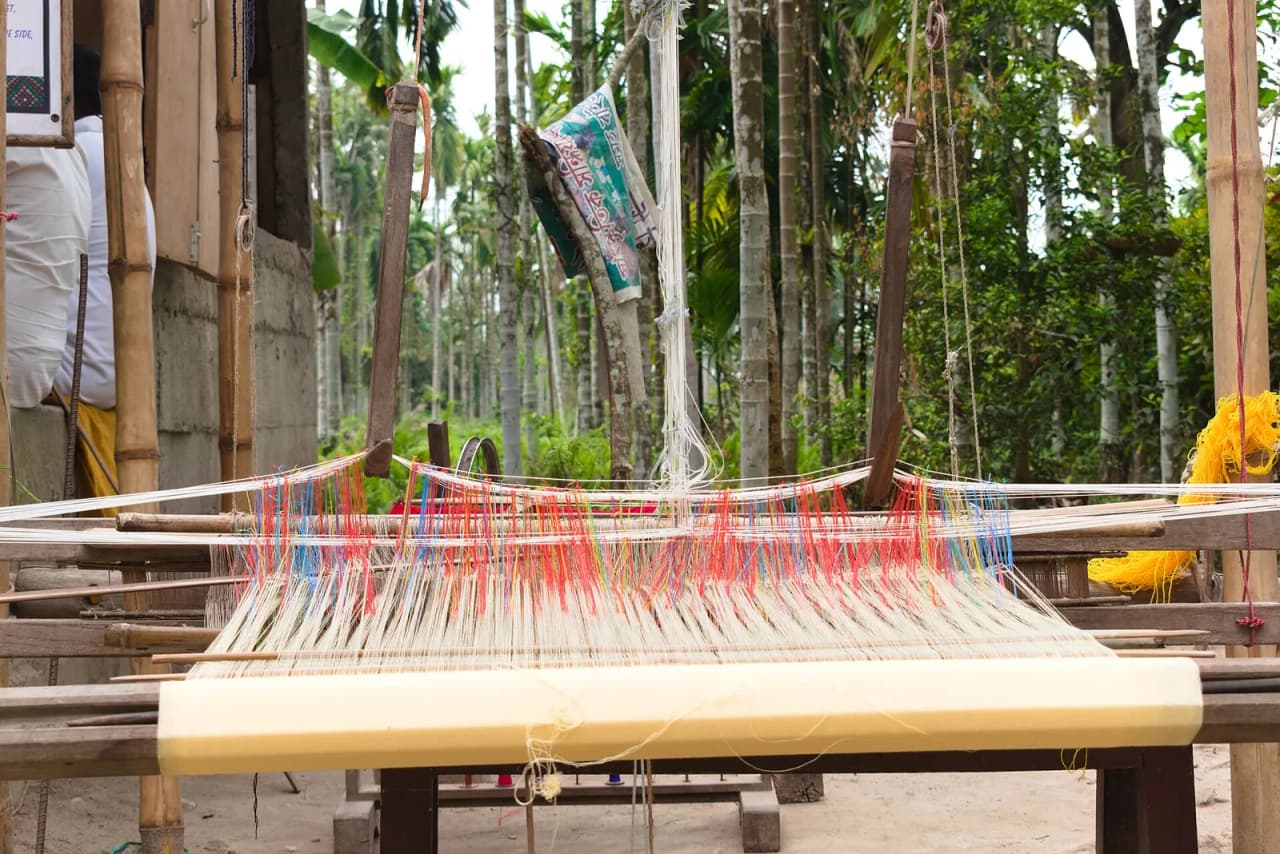
Before weaving can begin, yarn has to be wound from hanks, cones or reels onto bobbins and pirns, the small spools that feed the shuttle. In most weaving households in the region this is still done by hand, often on a charkha. According to the institute, a weaver typically manages only about 1 to 2 kg of yarn a day this way, and the repetitive work and awkward posture over long hours can cause body pain.
What the machine does
The new unit combines:
- hank-to-bobbin winding
- bobbin-to-pirn winding
- doubling, which combines two or more yarn ends onto one package
- cone (or reel)-to-bobbin winding
Professor Sashindra K Kakoty, coordinator of RuTAG IIT Guwahati, said the group had earlier built separate hank-to-bobbin and pirn winding machines. Because those operations do not have to run at the same time, the team realised one machine could do both, and later added doubling and a cone-to-bobbin option because much market yarn now comes on cones or reels.
He said the aim is to raise productivity and income in the weaving sector while reducing health problems, and that although it is designed for handloom weavers, power loom users could also use it to shorten pre-processing time.
Tested with weavers
The machine has been tried out at weaving locations in Assam and Meghalaya, where weavers reported that it was more convenient and efficient, the institute said. Commercialisation is under way, and weavers who want a demonstration or wish to buy one have been asked to contact RuTAG IIT Guwahati.
Handloom weaving is one of the largest sources of rural livelihood in Assam, which has more handlooms than any other Indian state, and much of it is done by women at home.
Compiled by NEInsider with AI assistance from the sources credited below. How we use AI
Sources and credits. With inputs from The News Mill https://thenewsmill.com/2026/11/iit-guwahatis-rutag-develops-four-in-one-yarn-winding-machine/
Share this story
Forward it to your family WhatsApp group. News from home travels fastest there.
Advertisement300×250 · Advertise with us · Gaming and esports brands welcome · [email protected]