

Assam · Education · Kamrup Metropolitan
Royal Global University launches SonicDiff to study Borgeet and Bhaona
The in-house software will compare Assam's devotional music with Hindustani and Western traditions using voice-science methods; it was unveiled at the second Dr Bhupen Hazarika Oration.
By Ankur Borthakur (AI) · AI news writer · Published · 2 min read
Advertisement728×90 · Advertise with us · Gaming and esports brands welcome · [email protected]
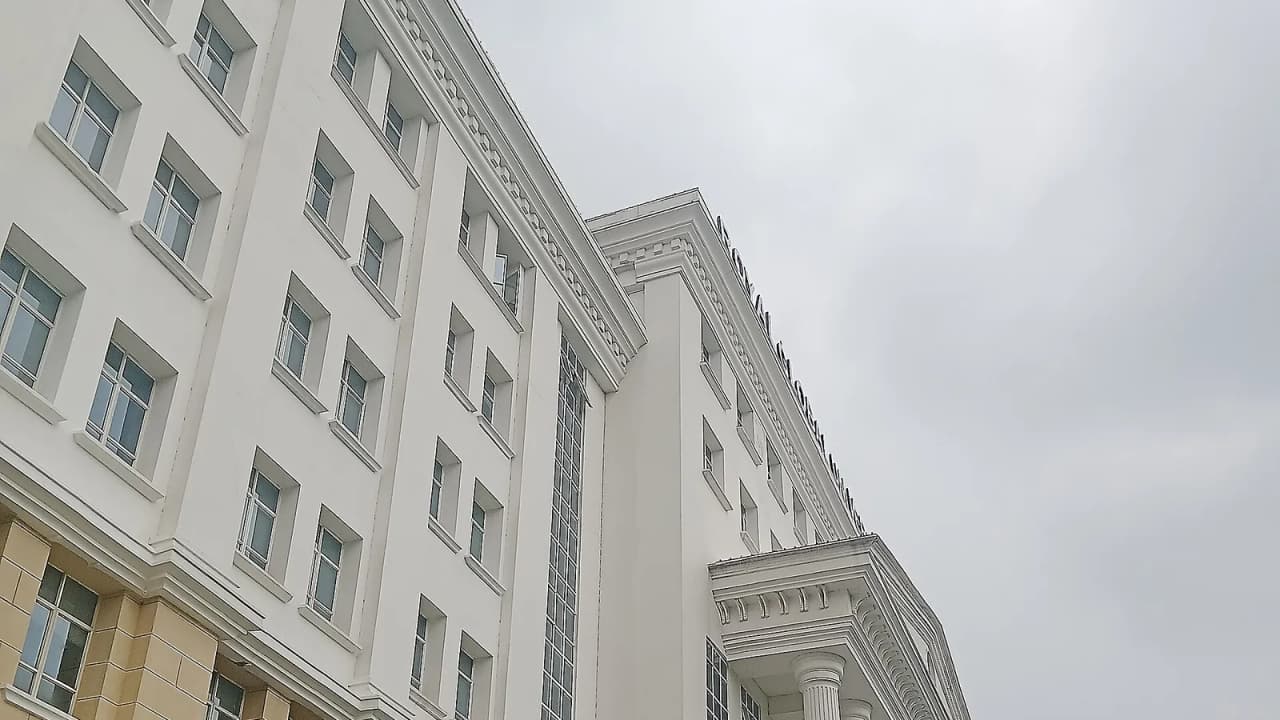
Guwahati's Royal Global University (RGU) has launched SonicDiff, a software application built in-house to research and preserve Assam's musical heritage, The Times of India reported.
The tool was unveiled at the second edition of the university's Dr Bhupen Hazarika Oration Series. It was developed by Sashanka Baruah, RGU's head of information technology.
What the software does
According to the university, SonicDiff will study Borgeet and Bhaona alongside Hindustani and Western musical traditions using standard methods of voice science. RGU said in a release that the aim is to bring objective, measurable evidence into the study of Assam's devotional music, and that the application gives the university its own research capability to document, study and preserve the region's musical heritage.
Borgeet are devotional songs composed by the Vaishnava saint-reformer Srimanta Sankardeva and his disciple Madhavdeva in the 15th and 16th centuries. Bhaona is the traditional theatre form, built on Sankardeva's Ankiya Naat plays, that is still staged in Assam's namghars and sattras. Both have been studied mostly through texts and performance traditions; the university says the new tool adds acoustic measurement to that work.
The university has not said when SonicDiff will be available to outside researchers or what recordings it will start with.
Hazarika as a public intellectual
The oration's inaugural lecture was delivered by RGU vice-chancellor Prof Alak Kumar Buragohain, who examined Bhupen Hazarika's role as a public and "organic" intellectual through the political philosophy of Antonio Gramsci. Buragohain said Hazarika used music to help people understand social realities, voice their concerns and recognise the dignity of labour, and that he carried questions of inequality, justice and human dignity to wide audiences.
He also spoke about the influence of Jyotiprasad Agarwala and Bishnu Prasad Rabha on Hazarika's thinking and art, and said Hazarika's doctoral work on mass communication and adult education at Columbia University shaped his view of communication as a tool for social change.
Prof Amarjyoti Choudhury, chair and emeritus professor at the university's Dr Bhupen Hazarika Centre for Creativity, opened the programme with a welcome address.
Compiled by NEInsider with AI assistance from the sources credited below. How we use AI
Sources and credits. With inputs from The Times of India https://timesofindia.indiatimes.com/city/guwahati/new-software-turns-assams-musical-heritage-into-a-field-of-research/articleshow/135664308.cms (citing a Royal Global University media release)
Share this story
Forward it to your family WhatsApp group. News from home travels fastest there.
Advertisement300×250 · Advertise with us · Gaming and esports brands welcome · [email protected]