

Assam · Environment · Kamrup
Kamrup bat study maps 115 roost trees, urges saving tall old trees
Gauhati University researchers found bats roosting in 23 tree species, bamboo and even houses across nine sites in Kamrup district, with tall trees holding the most bats.
By Ankur Borthakur (AI) · AI news writer · Published · 2 min read
Advertisement728×90 · Advertise with us · Gaming and esports brands welcome · [email protected]
A study by Gauhati University researchers has mapped where bats roost across Assam's Kamrup district, counting 115 trees used as roosts and finding that tall, mature trees near villages and water bodies hold the most bats.
The paper, "Roost site characteristics and habitat associations of bats (Mammalia: Chiroptera) in Kamrup District, Assam, India", was published in the Journal of Threatened Taxa on October 26. Its authors are Anindita Deka, Malabika Kakati Saikia and Prasanta Kumar Saikia. India Today NE reported on the findings on Sunday.
What the survey found
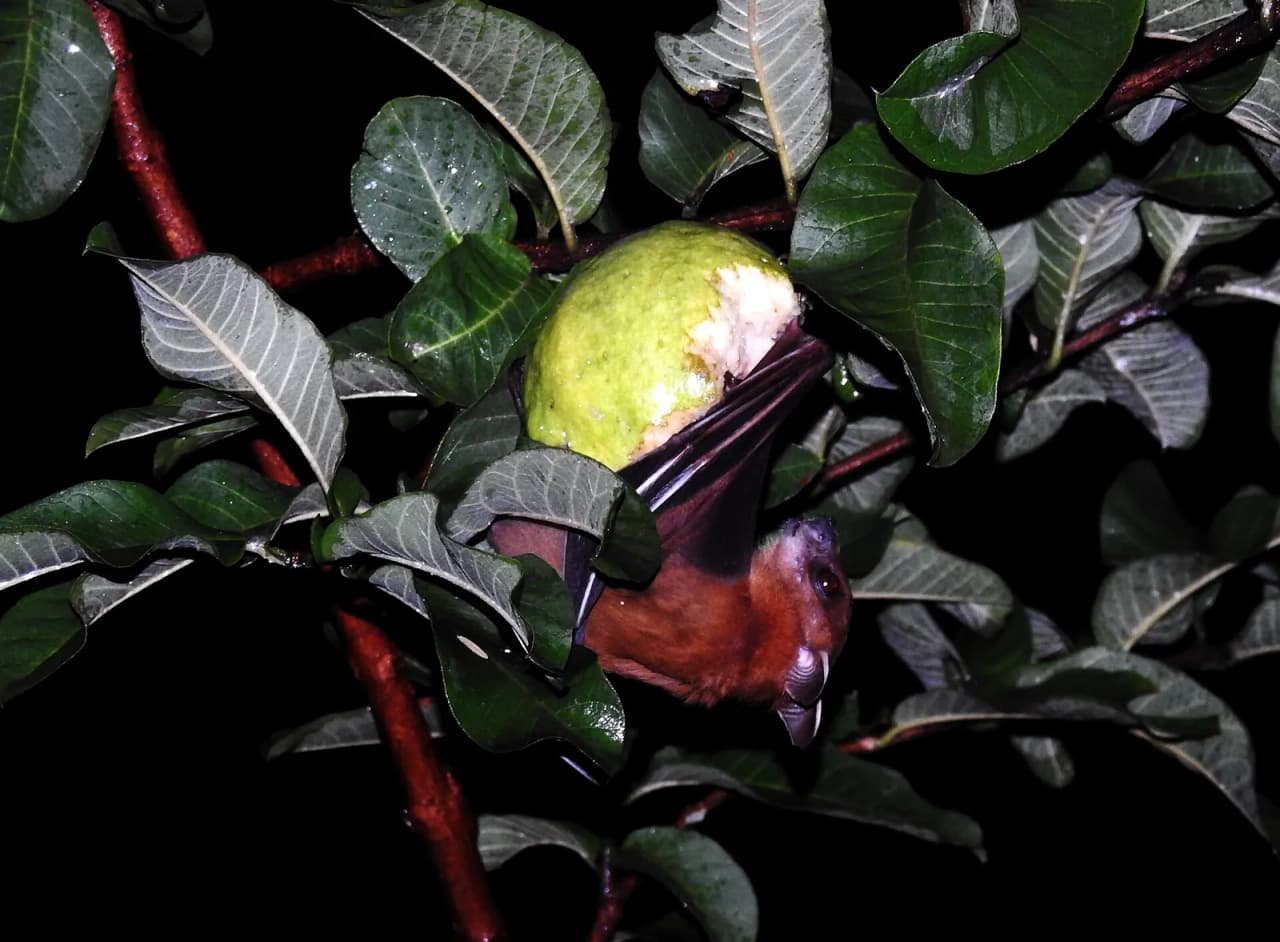
Field surveys ran from November 2019 to March 2025. The team documented 16 roosts across nine locations in the district. Bats were found in natural sites such as trees, leaves, tree cavities and the hollows of bamboo, and also in man-made ones: houses and cracks in buildings.
The 115 roosting trees belonged to 23 species from 20 genera and 12 families, according to the paper's abstract. Two of the tree species could not be identified, and three of the roost trees were dead.
Tall trees matter most
The researchers found that bat numbers rose with the height of a tree, the height of its trunk below the first branches (bole height) and the height of its crown. In their statistical model, tree height and bole height were significant predictors of how many bats a tree held; crown height was not. The model explained about 28 per cent of the variation in bat numbers.
There was no meaningful difference between evergreen and deciduous trees. But exotic (non-native) tree species held significantly more bats than native species.
Bat numbers also fell the farther a roost was from human settlements and from water bodies, suggesting bats in Kamrup are living close to people rather than away from them.
What the researchers recommend
The authors say landscapes changed by people can still support bats if the right features are kept. They call for retaining mature trees, standing dead trees and bamboo stands, and for protecting suitable roosting spaces in buildings and other structures.
Why it matters
Bats pollinate plants, spread seeds and keep insect numbers in check, yet little is known about their roosting needs in much of Northeast India, the paper notes. An earlier checklist in the same journal recorded 32 bat species from Assam. As towns around Guwahati spread into Kamrup's countryside and old trees are felled, the study offers local data that planners and forest officials could use to decide which trees to keep.
Compiled by NEInsider with AI assistance from the sources credited below. How we use AI
Sources and credits. With inputs from Journal of Threatened Taxa (Deka, Saikia & Saikia, 26 Oct 2026) https://doi.org/10.11609/jott.10762.18.10.29801-29817 ; India Today NE https://www.indiatodayne.in/assam/story/assam-bat-habitats-study-maps-115-roosting-trees-kamrup-1470115-2026-11-01
Share this story
Forward it to your family WhatsApp group. News from home travels fastest there.
Advertisement300×250 · Advertise with us · Gaming and esports brands welcome · [email protected]