

Assam · Environment · Golaghat
Kaziranga under stress as erratic rain stunts grasslands, dries wetlands
A WWF India rhino expert says below-normal rain has slowed the growth of grasses that rhinos, elephants and deer depend on, while several beels have shrunk or dried up.
By Ankur Borthakur (AI) · AI news writer · Published · 2 min read
Advertisement728×90 · Advertise with us · Gaming and esports brands welcome · [email protected]
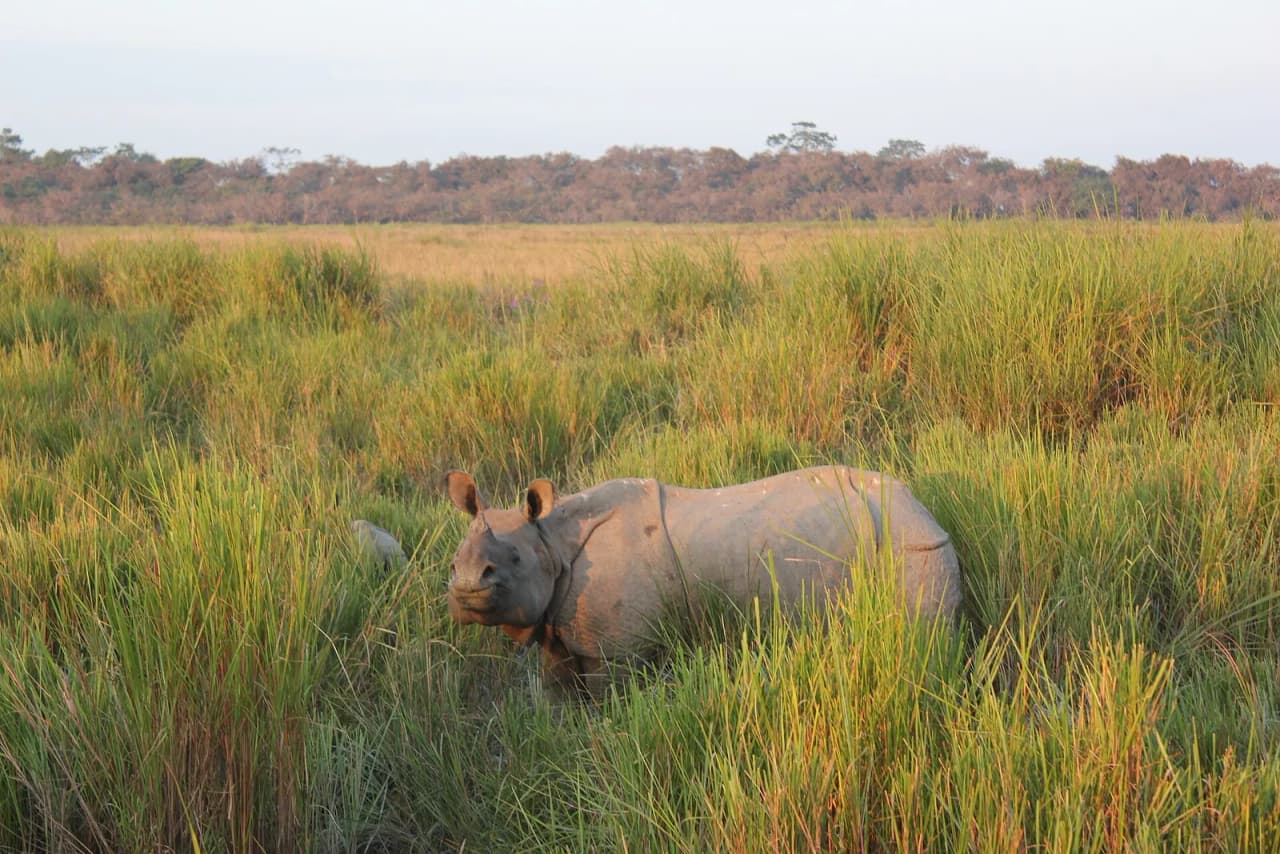
An erratic rainfall pattern across Assam and the wider Northeast is hurting the growth of grasses and other vegetation in the Kaziranga National Park and Tiger Reserve, raising concern about whether rhinos, elephants and deer will have enough nutritious food, a senior conservationist has warned, according to The Assam Tribune.
Amit Sharma, a rhino conservation specialist and senior functionary with WWF India, told the newspaper that rainfall in Kaziranga is currently below the level needed for healthy plant growth. Pobitora Wildlife Sanctuary, home to one of the densest rhino populations in the world, has also been affected, he said.
Poor growth, lower nutrition
According to Sharma, the state has seen a shift in weather over the last couple of years, with rising temperatures and rain that comes unevenly. Long dry spells are followed by sudden heavy downpours, which have brought flash floods to Kaziranga of a kind that did not happen 10 to 15 years ago.
Because the grasses and plants that feed herbivores are growing poorly and are less productive, animals may not get the nutrition they need, he said. Over time this could affect their health, and there is also a possibility that animals will change their behaviour as they search for better forage.
Wetlands shrinking
The lower monsoon rainfall has also left many of the park's lakes and beels with less water, and some areas have dried up, Sharma said. Parts of the remaining water bodies are being choked by water hyacinth and other invasive plants, which floods would normally flush out of the park.
He also pointed to human activity in the hills of neighbouring Karbi Anglong district, south of Kaziranga. Many of the rivers and streams that flow down from those hills and act as a lifeline for wildlife have either been blocked or have dried up, he said. A similar loss of rivulets has been seen in the Agaratoli range in the park's east.
Why floods matter
A senior Kaziranga forest official told the newspaper that seasonal flooding of the forest during the monsoon is necessary. Floodwater recharges the water table and deposits silt that keeps the soil fertile, which in turn supports the green vegetation that wild animals feed on.
Sharma called for nature-based solutions and a detailed scientific study, including soil analysis and long-term data, to understand the changes and protect Kaziranga's biodiversity.
Kaziranga, a UNESCO World Heritage Site spread across Golaghat, Nagaon and Biswanath districts, holds the world's largest population of the greater one-horned rhinoceros. The park reopened to visitors for the 2026-27 tourist season in October, and its elephant safaris have since resumed.
Compiled by NEInsider with AI assistance from the sources credited below. How we use AI
Sources and credits. With inputs from The Assam Tribune https://assamtribune.com/assam/kazirangas-ecological-stress-deepens-as-erratic-rains-hit-grasslands-water-sources-1621746
Share this story
Forward it to your family WhatsApp group. News from home travels fastest there.
Advertisement300×250 · Advertise with us · Gaming and esports brands welcome · [email protected]