

Nagaland · Culture · Kohima
Oxford's Pitt Rivers Museum returns remains of 39 Naga ancestors
A Naga delegation of nearly 30 people received the ancestral remains of 39 people at a ceremony in Oxford, ending a six-year process. The remains, taken during colonial rule, will be buried together at a memorial in Kohima.
By Ankur Borthakur (AI) · AI news writer · Published · 3 min read
Advertisement728×90 · Advertise with us · Gaming and esports brands welcome · [email protected]
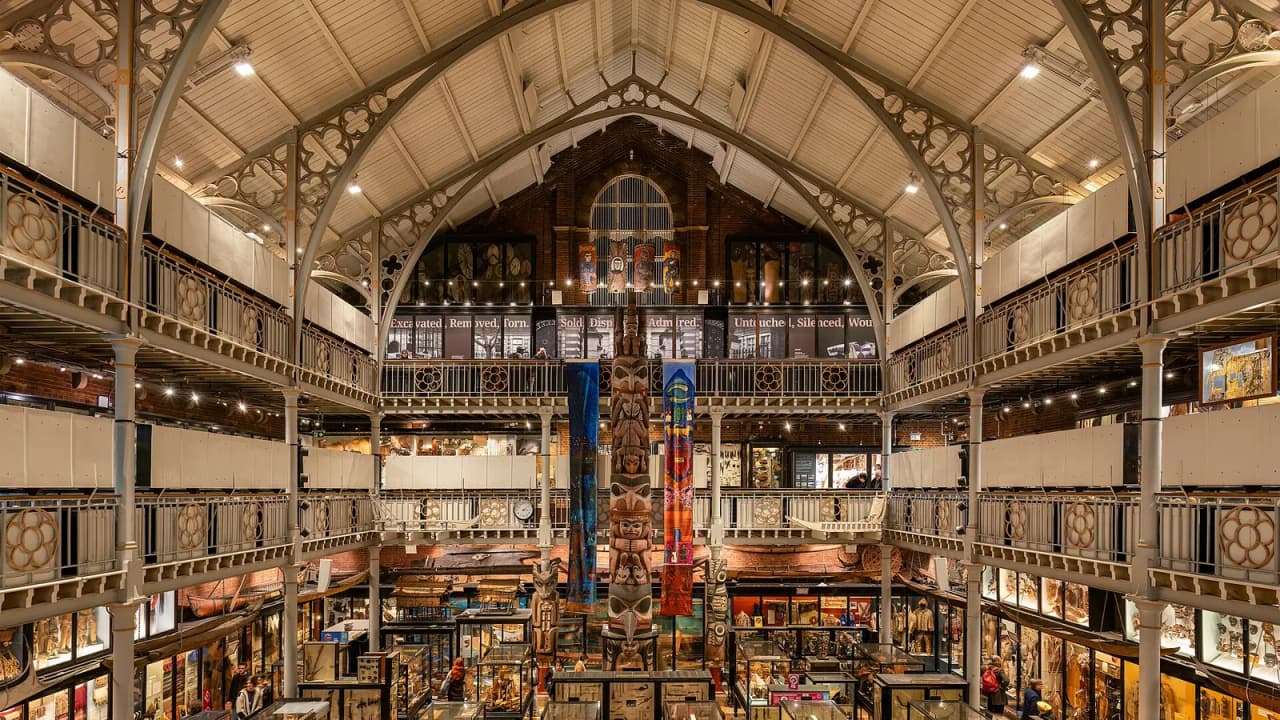
The remains of 39 Naga ancestors, held for about a century at the University of Oxford's Pitt Rivers Museum, have been handed back to the Naga people at a formal ceremony in Oxford.
Close to 30 members of the community travelled from Nagaland to Britain for the handover on Monday, November 9, where the two sides signed an agreement on the return, news agency AFP reported. The museum's director, Laura Van Broekhoven, called it "a historic moment" and said the remains were already on their way to Heathrow airport after the parties worked through what she described as a great deal of red tape.
How the remains reached Oxford
The remains, mainly skulls, were brought to Oxford between 1910 and 1940, most of them by two colonial administrators who were also anthropologists. The museum itself acknowledges on its website that objects gathered during that period were often confiscated during punitive military expeditions rather than given freely.
Van Broekhoven said the collection was gathered at a time with "different ethics" and that the two sides had spent six years working together on what she called a very delicate matter. The museum took all human remains off display in 2020 and still holds around 2,700 in storage. It has earlier returned remains to Indigenous communities in Australia, New Zealand and the United States.
The Pitt Rivers holds more than 6,000 objects linked to Naga culture, the largest such collection anywhere in the world.
'Respectful rest' in Kohima
Thejao Vihienuo, who represented the Naga tribal bodies (hohos) at the ceremony, said the community would put the ancestors "to respectful rest". He questioned how the remains had been acquired, saying nobody would willingly give away the skull of a father or grandfather as a gift. During the visit, the delegation also met descendants of one of the anthropologists who had collected the remains.
Anthropologist Dolly Kikon, a member of the Lotha Naga community, noted that one of the skulls belonged to a chief. Naga communities once took the heads of enemies as trophies, but also kept the heads of their own chiefs at the centre of villages.
Back home, preparations are under way for the burial. Naga tribal leaders have agreed to inter the remains together under a joint memorial at the Naga Solidarity Park in Kohima, where a site has already been set aside, as NEInsider reported earlier.
Why it matters
The return comes as museums across Europe and North America review how they obtained items from colonised peoples, especially human remains, and in some cases send them home. For many Naga families and tribal bodies, the handover closes a long chapter and opens the way for rites that were denied to these ancestors for nearly a hundred years.
Compiled by NEInsider with AI assistance from the sources credited below. How we use AI
Sources and credits. With inputs from AFP via RFI https://www.rfi.fr/en/international-news/20261109-oxford-museum-makes-historic-return-of-naga-human-remains and earlier reporting by The Morung Express, Nagaland Post and MokokchungTimes
Share this story
Forward it to your family WhatsApp group. News from home travels fastest there.
Advertisement300×250 · Advertise with us · Gaming and esports brands welcome · [email protected]