

Meghalaya · Environment
At FAO, Meghalaya's Phrang Roy seeks Indigenous vote in pollinator forum
Speaking in Rome, the Khasi leader cited Khasi and Garo stingless bee practices and called for zones free of commercial European honey bees.
By Ankur Borthakur (AI) · AI news writer · Published · 3 min read
Advertisement728×90 · Advertise with us · Gaming and esports brands welcome · [email protected]
Indigenous peoples must be given voting rights and an equal say in the proposed Global Pollinators Forum, Meghalaya's Phrang Roy told an international conference at the Food and Agriculture Organization of the United Nations (FAO) headquarters in Rome, Hub News reported on Monday.
Roy, a Khasi leader who coordinates the Indigenous Partnership for Agrobiodiversity and Food Sovereignty (TIP), was speaking at the Global Pollinator Conference held on November 5 and 6. The meeting brought together FAO member countries, scientists, international bodies, Indigenous peoples and local communities to discuss the next steps for protecting pollinators.
"Structural absurdity" without Indigenous members
Roy said TIP backs the effort by the FAO's Commission on Plant Genetic Resources for Food and Agriculture to set up the forum. But he argued that building it without the formal and equal participation of Indigenous peoples would be, in his words, a "structural absurdity".
Indigenous communities, he said, should sit on the forum as voting members, not merely as beneficiaries or occasional advisers, because much of the world's remaining biodiversity lies on their ancestral lands. He described them as frontline investors in biodiversity.
Call for zones free of commercial European honey bees
Roy also asked for legally enforced zones where commercially reared European honey bees are kept out, to protect native pollinators from disease and from competition for nectar and pollen.
He criticised what he called "fortress conservation", where protected areas are run through rules that shut out local people and criminalise practices such as rotational farming, fallow management and traditional harvesting. Such approaches, he said, can break up landscapes, reduce secondary forests and lead to fewer native bees. Indigenous co-management, he argued, is the foundation of pollinator survival and food security, not an experiment.
Examples from Meghalaya
To make his case, Roy drew on examples from the Nilgiri Biosphere Reserve in south India, northern Thailand and Meghalaya.
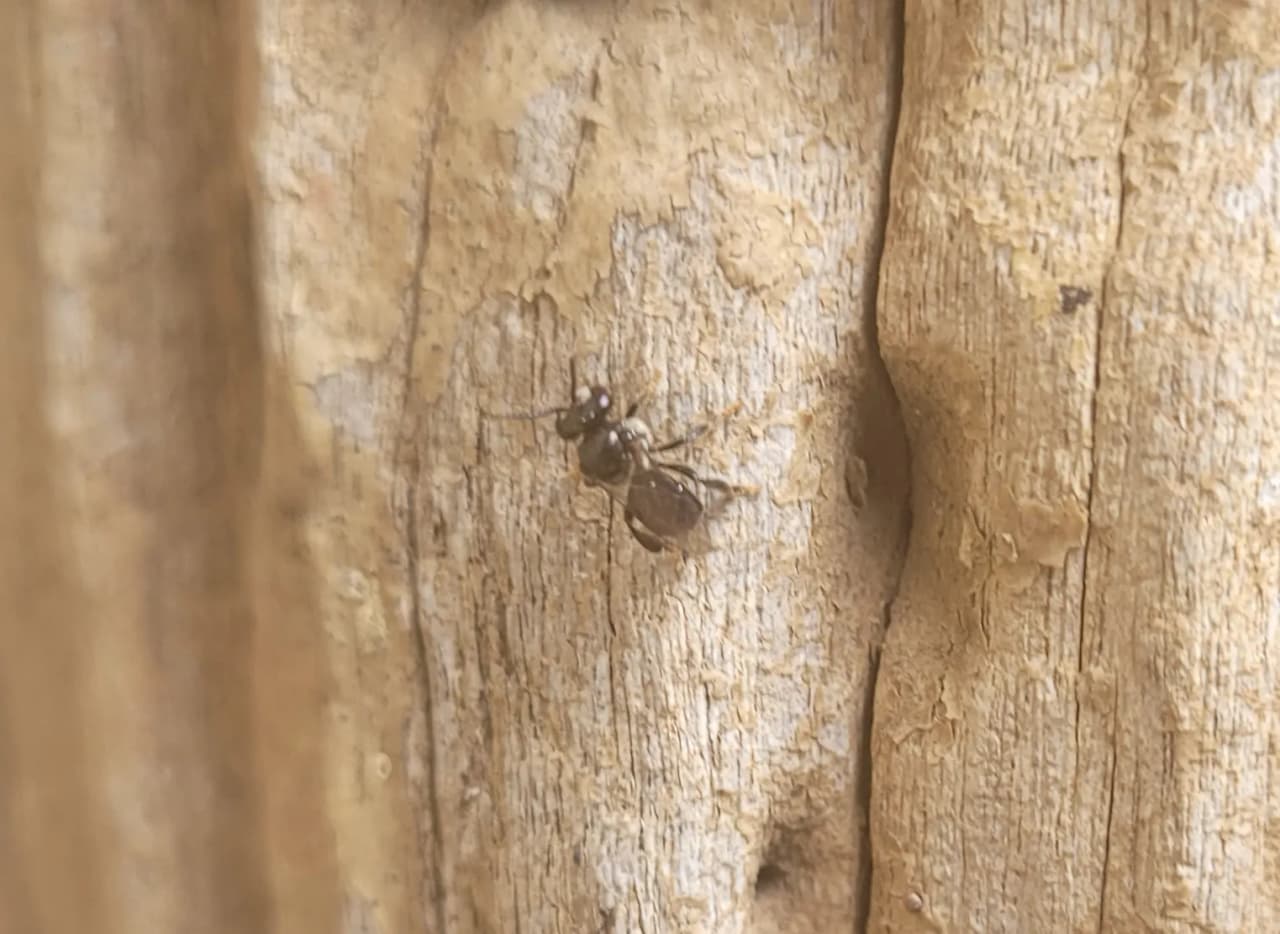
In Meghalaya, he pointed to Khasi communities that protect the soil habitats of burrowing stingless bees, whose honey is valued locally as medicine. Scientists from the College of Agriculture at Kyrdemkulai worked with villagers after learning about these soil-nesting bees, and the collaboration led to the description of a species new to science, Tetragonula kyrdemkulaiensis.
According to Roy, laboratory tests showed the honey has distinct antimicrobial properties and a low pH, in line with what communities had long believed about its healing value. Protecting the bees' nesting grounds, he added, also helps an important pollinator of crops such as king chilli, supporting seed formation and fruit yield.
He also described how Garo communities manage wild colonies of stingless bees, known locally as Mengari, by carefully moving them closer to their homes in branches and bamboo hollows.
Why it matters
Pollinators such as bees are essential for a large share of food crops. In North East India, where many communities depend on shifting cultivation, forest produce and small farms, native bees play a key role in local food systems. Roy's remarks put Meghalaya's traditional practices before a global audience as countries discuss how the new forum should work.
Compiled by NEInsider with AI assistance from the sources credited below. How we use AI
Sources and credits. With inputs from Hub News https://hubnetwork.in/meghalayas-phrang-roy-seeks-voting-rights-for-indigenous-peoples-in-global-pollinator-forum/
Share this story
Forward it to your family WhatsApp group. News from home travels fastest there.
Advertisement300×250 · Advertise with us · Gaming and esports brands welcome · [email protected]