

Assam · Environment · Baksa
Manas: Flood-rescued rhino Ganga becomes a grandmother as new calf is born
A calf born to Ganga-Ka at Manas National Park takes the family of a rhino rescued as an infant from the 2004 Kaziranga floods into a third generation in the wild.
By Ankur Borthakur (AI) · AI news writer · Published · 2 min read
Advertisement728×90 · Advertise with us · Gaming and esports brands welcome · [email protected]
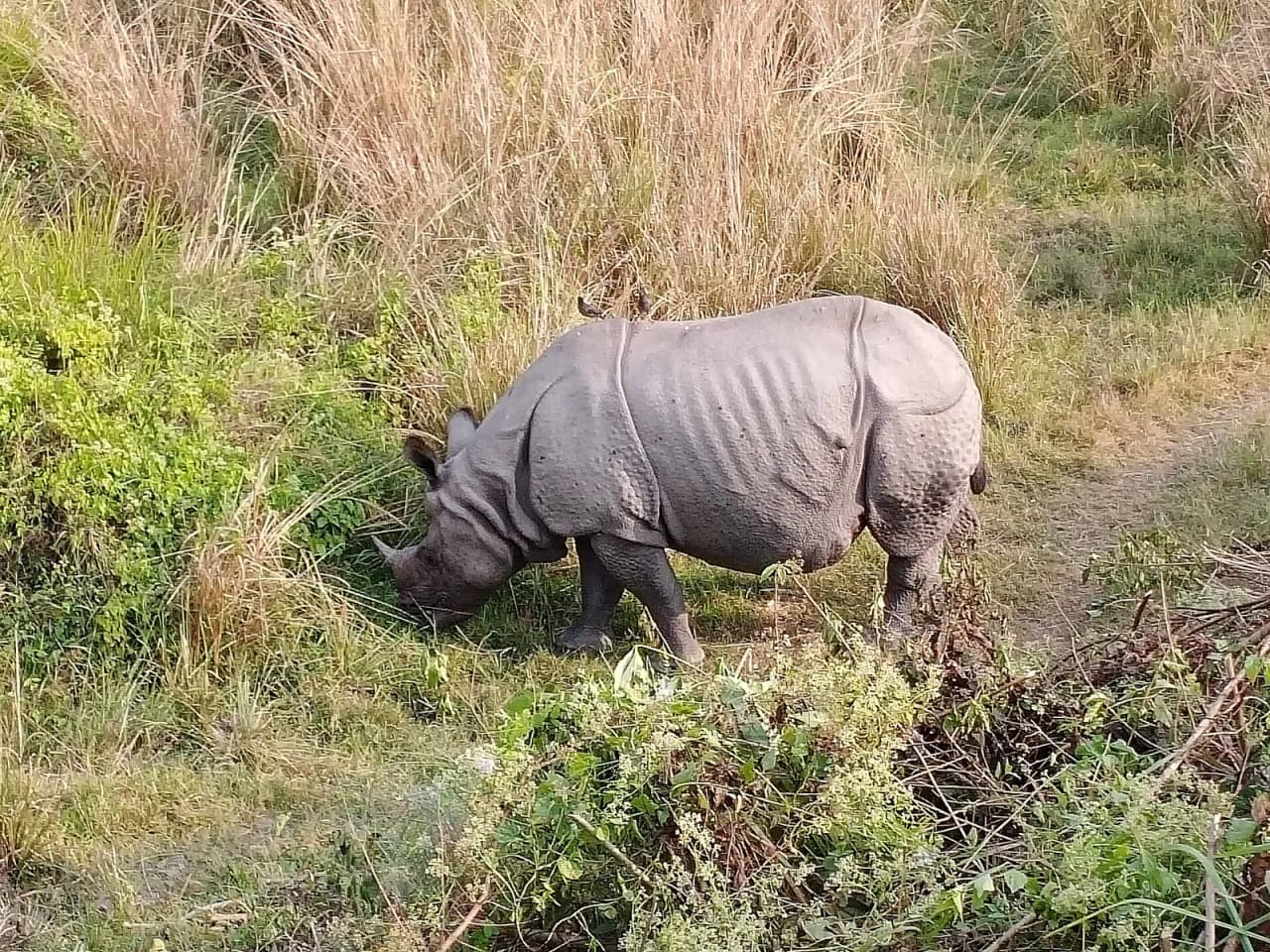
A greater one-horned rhino calf has been born in Manas National Park to Ganga-Ka, the daughter of a rhino rescued as a stranded infant during the 2004 Brahmaputra floods. The birth makes Ganga a grandmother and takes her family to a third generation in the wild.
Assam Chief Minister Himanta Biswa Sarma announced the birth in a social media post in Assamese on Saturday, Pratidin Time and The Sentinel reported. The calf was born a couple of days before the announcement.
"Is this merely a feel-good story of one family? No, this is also a green chapter of conservation success," the Chief Minister wrote, according to Pratidin Time.
From flood rescue to Manas
Ganga was found as a calf separated from her mother during the 2004 floods in Kaziranga National Park. She was hand-raised at the Centre for Wildlife Rehabilitation and Conservation (CWRC) near Kaziranga, run by the Wildlife Trust of India (WTI) with the Assam Forest Department and the International Fund for Animal Welfare (IFAW), and was moved to Manas in 2007.
Her daughter, Ganga-Ka, was born in Manas. The new calf is the first time a hand-raised rhino's lineage has been tracked across three generations in the wild in India, according to The Sentinel.
"The fact that the second generation of calves is breeding in the wild is a clear indication of the success of our rhino rehabilitation efforts," Dr Bhaskar Choudhury, WTI's head veterinarian, who has followed Ganga since her rescue, told the paper.
Frontline forest staff are watching the mother and the newborn round the clock, park officials said. Both are reported to be healthy.
Why it matters for Manas
Manas, a UNESCO World Heritage Site and tiger reserve on the Bhutan border, lost its entire rhino population to poaching during the unrest of the 1990s. UNESCO placed it on its list of World Heritage in Danger in 1992, and removed it in 2011 after recovery efforts.
Rhinos were brought back through translocations from Kaziranga and Pobitora and the release of hand-raised orphans from CWRC. Manas now has more than 50 rhinos, according to The Sentinel.
Conservationists see breeding by rehabilitated animals and their offspring as a key sign that a reintroduced population can sustain itself without new arrivals.
Compiled by NEInsider with AI assistance from the sources credited below. How we use AI
Sources and credits. With inputs from Pratidin Time https://www.pratidintime.com/latest-assam-news-breaking-news-assam/manas-national-park-rhino-calf-ganga-lineage-12770429 and The Sentinel https://www.sentinelassam.com/north-east-india-news/assam-news/three-generations-in-the-wild-rescued-rhino-ganga-becomes-a-grandmother-at-manas
Share this story
Forward it to your family WhatsApp group. News from home travels fastest there.
Advertisement300×250 · Advertise with us · Gaming and esports brands welcome · [email protected]