

Assam · Environment · Tamulpur
140 Gaj Mitras to be deployed in Tamulpur to curb elephant raids
Fourteen teams of village youths and forest staff will work in the Kumarikata, Batabari and Tamulpur ranges. A corridor inspection near the Bhutan border starts on November 9.
By Ankur Borthakur (AI) · AI news writer · Published · 3 min read
Advertisement728×90 · Advertise with us · Gaming and esports brands welcome · [email protected]
Assam will put 140 Gaj Mitras into the field in Tamulpur district to keep wild elephants out of villages along the Bhutan border, Forest Minister Jayanta Malla Baruah said after a meeting on Saturday.
The 140 members will work in 14 teams of 10 village youths each, covering the Kumarikata, Batabari and Tamulpur forest ranges. Each team will also have three officials from the Forest Department, the minister told reporters at the Tamulpur district commissioner's office, according to The Assam Tribune. Local MLA and Cabinet minister Biswajit Daimary attended the meeting.
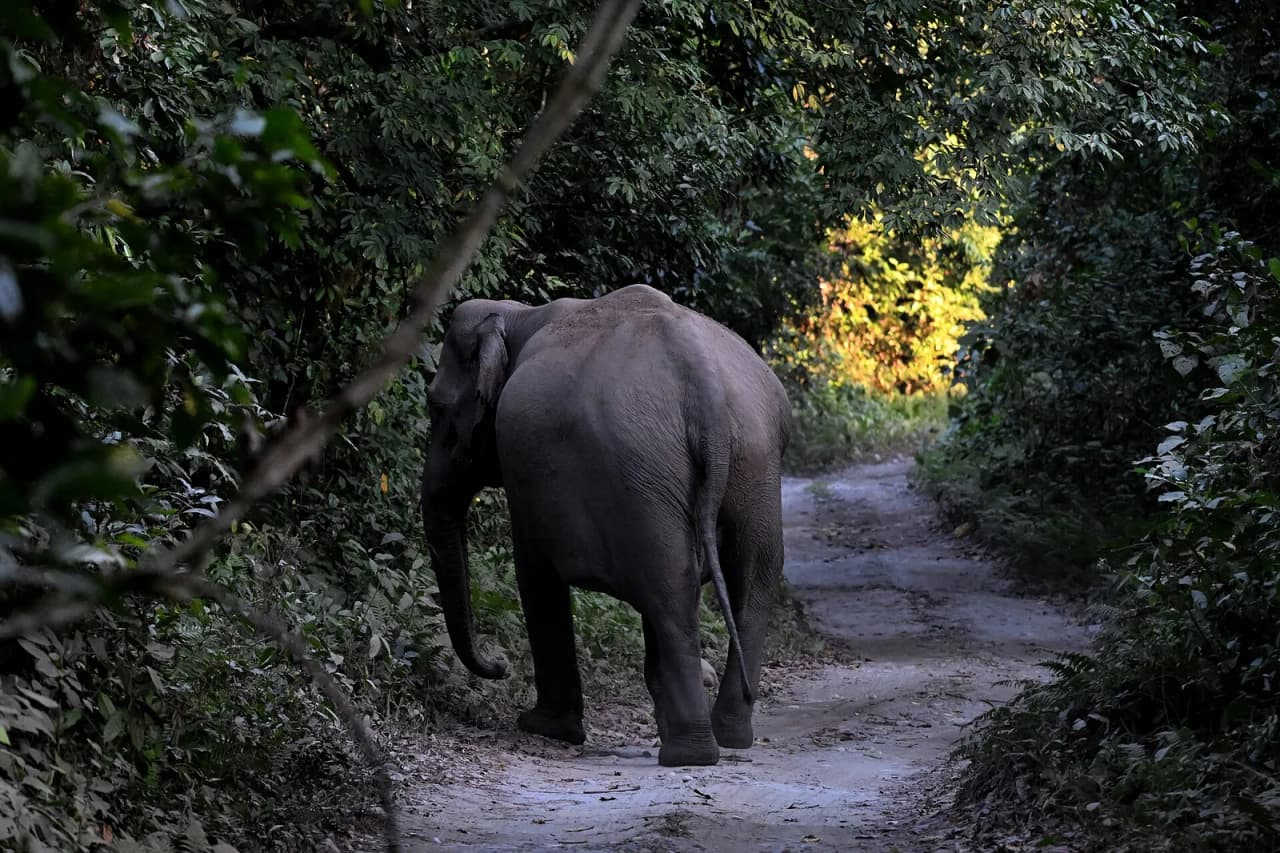
Baruah said human-elephant conflict has been reported in both Tamulpur and Nalbari. A large herd coming down from the hills in search of food has been entering settlements across Baksa, Tamulpur and Nalbari. People at the meeting who know the area said encroachment has blocked elephant corridors near the Bhutan border, pushing the animals towards homes and farms.
Corridor checks and new plantations
From November 9, a joint team of the Forest Department and the police will visit those stretches, inspect the corridors and try to pinpoint the blockages, Baruah said.
He also said the Kokrajhar Ecological Task Force, made up of former Army personnel, would be brought in to plant trees that elephants can feed on across 50 hectares. The aim is to give the animals more food inside forest land so that they have less reason to enter villages. Officials plan another meeting in December to review how this month's steps have worked and to discuss what else is needed.
Gaj Mitra units, or "friends of elephants", are groups of local youths trained and paid to watch elephant movement, warn villagers and help forest staff drive herds away from settlements without harming the animals. Similar teams already work in other conflict-prone districts of Assam.
Compensation under review
On payments to families of people killed in elephant attacks, Baruah said the government was considering raising the amount from Rs 6 lakh to Rs 8 lakh, and was trying to release the money faster.
On November 4, at a meeting at Aranya Bhawan in Guwahati, he had announced that the deadline for paying that compensation would be cut from 72 hours to 48 hours.
The steps come as the statewide toll from human-elephant conflict continues to rise. Available figures cited in the report put the number of people killed in such incidents this year at 53. Tamulpur, Goalpara and Kamrup (Rural) are among the worst-affected districts.
Elephants moving along the foothills of Bhutan have long used corridors that cut through northern Assam. When those paths are squeezed by settlement and cultivation, herds often end up in paddy fields and village paths, leading to crop damage, injuries and deaths on both sides.
Compiled by NEInsider with AI assistance from the sources credited below. How we use AI
Sources and credits. With inputs from The Assam Tribune https://assamtribune.com/assam/140-gaj-mitras-to-be-deployed-in-tamulpur-to-curb-human-elephant-conflict-1622379
Share this story
Forward it to your family WhatsApp group. News from home travels fastest there.
Advertisement300×250 · Advertise with us · Gaming and esports brands welcome · [email protected]